When you seek medical care, you trust healthcare providers to treat you with respect and professionalism. Sexual abuse by healthcare providers violates that trust in a profound way. If you or a loved one experienced sexual abuse by a healthcare provider in Connecticut, you may have legal rights and options. Claggett, Sykes & Garza Trial Lawyers represents survivors of healthcare provider sexual abuse throughout Connecticut. Our trauma‑informed sexual abuse by healthcare provider lawyer in Connecticut understands the physical and emotional harm these violations can cause and works on a no‑win, no‑fee basis, meaning you pay nothing unless we recover compensation for you.
Why Choose Claggett, Sykes & Garza Trial Lawyers for Your Healthcare Provider Sexual Abuse Case
Claggett, Sykes & Garza Trial Lawyers brings decades of experience handling sexual abuse cases. The firm’s attorneys report having recovered over $1.5 billion in verdicts and settlements for injured clients, including a $485 million verdict in a foster care sexual assault case that has been described as the largest single‑plaintiff sexual abuse verdict in history, and a $100 million verdict in another foster care sexual assault case that has been reported as the largest verdict in Connecticut history. These results illustrate the firm’s experience holding institutions accountable in sexual abuse litigation.
The team approaches every case with compassion and respect for survivors. The attorneys understand the trauma that sexual abuse can create and work to listen to your story without judgment while guiding you through the legal process at your pace. Members of the firm speak nationally on sexual abuse litigation strategies and bring that knowledge to each case. With offices in Farmington and Enfield, the firm serves survivors throughout Connecticut, offers free consultations, has a 24/7 answering service, and handles cases on a contingency fee basis so you do not pay attorney’s fees upfront.
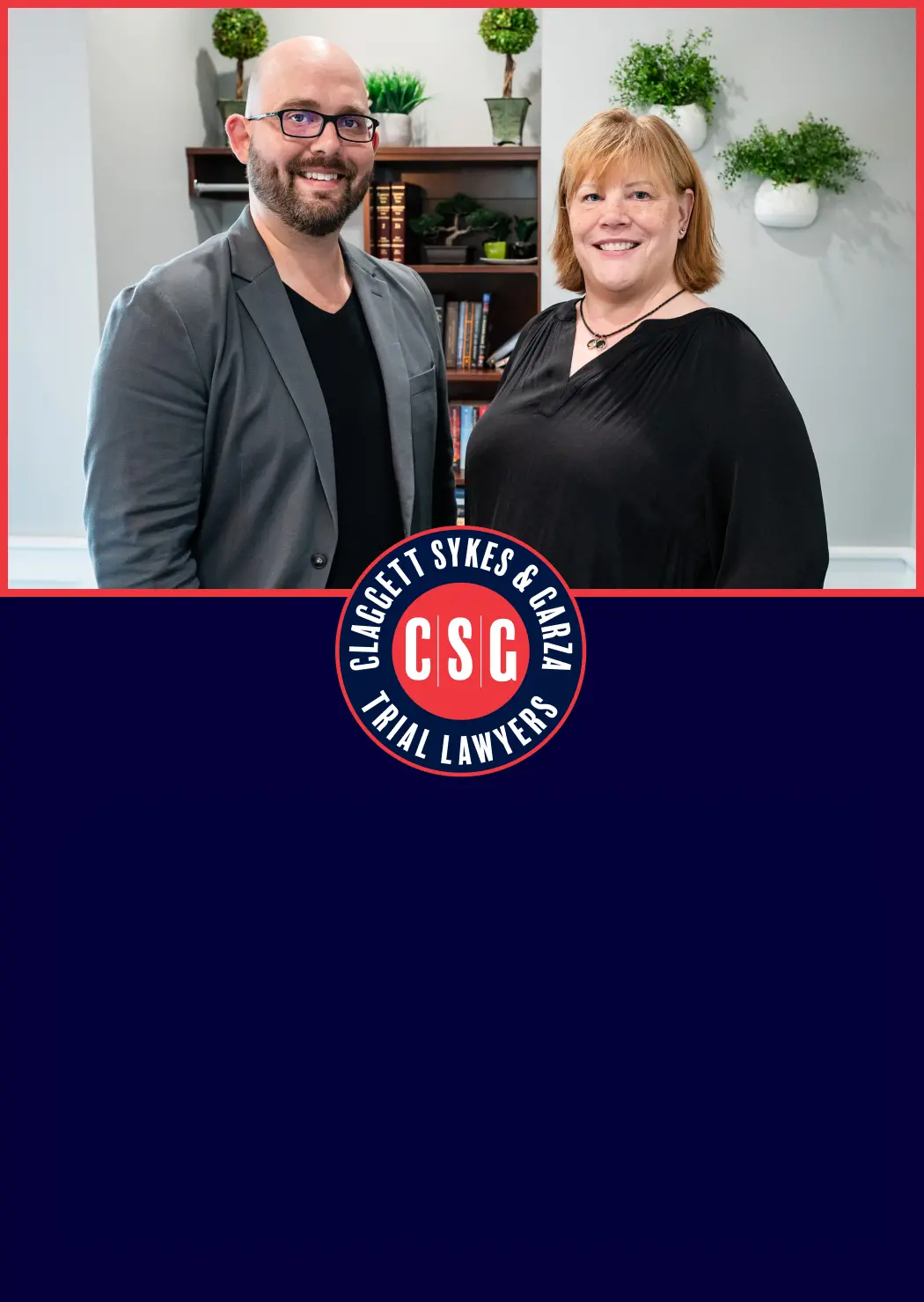
Get the Compensation You Deserve. Our Experienced Lawyers Can Help.
Understanding Healthcare Provider Sexual Abuse in Connecticut
Healthcare provider sexual abuse occurs when a doctor, nurse, therapist, dentist, or other healthcare professional engages in sexual contact or sexualized conduct with a patient. This misconduct exploits the power imbalance inherent in healthcare relationships. Patients depend on providers for their health and well-being, often feeling vulnerable during examinations, procedures, or therapy sessions. That vulnerability creates opportunities for abuse when boundaries are violated.
Such abuse can occur during routine exams, diagnostic procedures, counseling sessions, or medication administration. It can involve unwanted touching, sexual comments, exposure, coercion, or forced sexual contact. These incidents may take place in hospitals, clinics, private practices, nursing homes, or mental health facilities. Even though substantiated reports may represent a small percentage of overall complaints, data from Connecticut oversight agencies show that sexual abuse in healthcare and institutional settings does occur and impacts real patients.
Many survivors do not report abuse right away. Feelings of shame and fear, concerns about not being believed, and the power dynamics between patients and providers can all delay disclosure. Survivors may worry about retaliation, losing access to needed care, or the impact on their professional or community relationships. Trauma responses such as dissociation, avoidance, or memory gaps can also make it harder to come forward until years after the abuse.
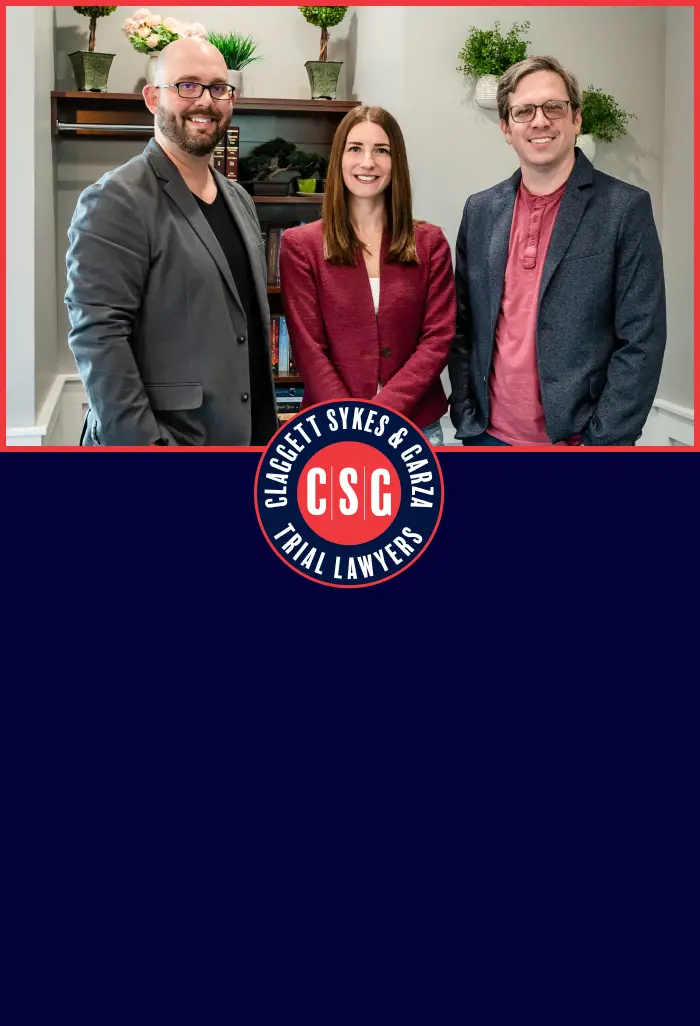
Let Us Fight for Your Rights and Maximize Your Compensation.
Types of Healthcare Providers Involved in Sexual Abuse Cases
Sexual abuse cases can involve many categories of healthcare professionals, including:
- Doctors and physicians who abuse patients during exams, procedures, or consultations
- Nurses and nursing assistants who take advantage of vulnerable patients in hospitals or long‑term care facilities
- Therapists, psychologists, and counselors who exploit the therapeutic relationship
- Dentists and dental hygienists who abuse patients during dental procedures
- Technicians, aides, and support staff who have unsupervised access to patients
- Supervisors or administrators who fail to act on complaints or enable abuse through negligence or cover‑ups
All of these roles carry a duty to maintain strict professional boundaries. When someone in a position of medical authority exploits that role, the harm to the patient can be severe and long‑lasting.

Experienced Personal Injury Lawyers Ready to Assist You.
Connecticut Laws Protecting Patients from Healthcare Provider Sexual Abuse
Connecticut law provides several layers of protection for patients who experience sexual abuse by healthcare providers. State statutes address professional misconduct, patient rights, and civil remedies. Licensing boards such as the Connecticut Medical Examining Board and similar bodies for other professions oversee licensing and discipline. When a provider engages in sexual misconduct, these boards can investigate, impose sanctions, and restrict or revoke licenses.
Civil law also provides avenues for survivors to seek compensation. Connecticut has specific limitation periods for personal injury and sexual abuse claims, and the applicable deadline depends on factors such as the survivor’s age at the time of abuse and whether the claim is treated as a medical malpractice matter. For adult survivors, there are generally three‑year limitation periods for many negligence‑based claims, but special rules extend the time for individuals abused as minors and for certain serious sexual offenses. Some claims involving childhood sexual abuse now allow filing well into adulthood, with extended deadlines tied to the survivor’s age.
Important Note: Healthcare provider sexual abuse claims may be analyzed under medical malpractice statutes or under broader sexual abuse limitations statutes, depending on how the conduct and the provider’s role are characterized. This can affect not only time limits, but also pre‑suit requirements such as certificates of good faith or expert opinions. Because the rules are complex and highly fact‑dependent, it is important to consult an attorney promptly to determine which deadlines and procedures apply in your specific situation.
Connecticut also imposes mandatory reporting duties in certain settings. Providers and facilities may be required to report suspected abuse to law enforcement, licensing boards, or protective services, depending on the survivor’s age and circumstances. Facilities that ignore reports, fail to investigate, or attempt to conceal misconduct may face additional civil and regulatory consequences.
Your Legal Rights and Compensation Options
If a healthcare provider sexually abused you, you may have the right to seek compensation through a civil claim. Potential damages in these cases often include:
- Medical expenses for treatment related to the abuse, including physical exams, testing, and ongoing medical care
- Mental health treatment costs, such as trauma‑focused therapy and counseling
- Lost wages if the abuse or its psychological effects interfered with your ability to work
- Loss of earning capacity if long‑term psychological or physical effects impact your future employment
- Pain and suffering for the physical and emotional harm you experienced
- Emotional distress damages for anxiety, depression, PTSD, and related conditions
- Punitive damages in appropriate cases are aimed at punishing egregious or intentional misconduct and deterring similar behavior
Claggett, Sykes & Garza Trial Lawyers works with medical and mental health experts, as well as economists or other financial professionals, to evaluate the full scope of a survivor’s damages. This process can include analyzing both current losses and likely future needs. Because the firm works on a contingency fee basis, you do not pay attorney’s fees unless a financial recovery is obtained.
The Legal Process for Healthcare Provider Sexual Abuse Claims
Initial Consultation and Case Evaluation
The process generally begins with a free, confidential consultation. During this meeting, you can share your experience at your own pace. The attorney will ask questions to clarify what happened, explain the potential legal theories available, and discuss issues such as the statute of limitations, possible defendants, and types of damages. You are not obligated to move forward, and the goal is to give you information so you can make an informed decision.
Investigation and Evidence Gathering
If you choose to proceed, your legal team begins a detailed investigation. This may involve:
- Obtaining and reviewing medical records for documentation of the care provided and any notations relevant to the abuse
- Requesting facility policies, complaint records, and any prior reports involving the provider
- Identifying and interviewing witnesses, including staff, former patients, or others who may have information
- Consulting with medical and mental health experts to evaluate standards of care and the impact of the abuse
- Investigating whether similar allegations have been made by other patients, which can strengthen your case
The goal is to build a comprehensive factual record that supports your claim.
Filing Your Claim
Next, your attorneys prepare and file the necessary legal documents in the appropriate court or forum. This includes drafting a complaint that explains what happened, identifies the defendants, and sets out the legal theories and damages sought. In cases treated as medical malpractice, additional documentation, such as a certificate of good faith and supporting expert opinion, may be required. Your legal team ensures that all filings comply with procedural rules and deadlines.
Negotiation and Litigation
After the claim is filed, the defendants and their insurers respond. Many cases then move into negotiation and “discovery,” where both sides exchange information and take depositions. During this time, your attorneys may engage in settlement discussions, mediation, or other forms of alternative dispute resolution.
If the healthcare provider or institution does not offer a resolution that fairly reflects your harms and losses, your case may proceed toward trial. The firm’s attorneys prepare evidence, coordinate expert testimony, and present your case to a judge or jury. Throughout this process, you are consulted about major decisions, including whether to accept any settlement offers.
Resources and Support for Sexual Abuse Survivors
In addition to legal representation, many survivors benefit from specialized support services. Helpful resources may include:
- Statewide and local sexual violence crisis centers that offer hotlines, advocacy, and counseling referrals
- National organizations such as RAINN, which provides a confidential hotline and online chat support
- Trauma‑informed therapists and psychiatrists who focus on treating survivors of sexual abuse
- Support groups where survivors can share experiences in a safe, moderated environment
- Faith‑based or community organizations offering additional counseling or practical assistance
Claggett, Sykes & Garza Trial Lawyers can help connect you with appropriate resources and coordinate, when you wish, with your treatment providers to support both your healing and your legal case.
Frequently Asked Questions
How long do I have to file a sexual abuse claim against a healthcare provider in Connecticut?
The deadline depends on several factors, including whether the claim is treated as medical malpractice, when the abuse occurred, and how old you were at the time. Some claims must be brought within a few years of the abuse or of discovering its connection to your injuries, while others involving childhood sexual abuse may be allowed until mid‑adulthood. Because the rules are complex and changing over time, the safest course is to speak with an attorney as soon as possible so your specific time limits can be analyzed.
What if the abuse happened many years ago?
You may still have options, particularly if the abuse occurred when you were a minor or if recent changes in the law have extended limitation periods for certain sexual abuse claims. Even older cases sometimes remain viable. An attorney can review your history, compare it with current statutes, and advise whether a claim may still be timely.
Do I have to go to trial, or can my case settle?
Many sexual abuse claims are resolved through negotiated settlements rather than trials. Settlement can allow you to avoid testifying in open court and often results in a faster resolution. However, if the defendants do not offer fair terms, your attorneys may recommend preparing for trial. You have the final say on whether to accept a settlement or proceed.
How much does it cost to hire Claggett, Sykes & Garza Trial Lawyers?
Claggett, Sykes & Garza Trial Lawyers handles these cases on a contingency fee basis. This means you do not pay attorney’s fees at the outset, and the firm’s fee is taken as a percentage of any settlement or verdict obtained on your behalf. If there is no financial recovery, you typically do not owe attorney’s fees. All fee arrangements are explained in writing before representation begins.
What evidence is needed to prove healthcare provider sexual abuse?
Evidence can include your account of what happened, medical records, facility records, witness statements, and expert testimony. In some cases, there may be prior complaints or disciplinary records involving the same provider. Your legal team is responsible for gathering and organizing this evidence; you are not expected to prove the case on your own.
Can I file a claim if the provider has already been disciplined or lost their license?
Yes. Professional discipline or license revocation does not prevent you from pursuing a civil claim for damages. In some situations, prior disciplinary findings can actually support your civil case by confirming misconduct.
What is the difference between a civil claim and a criminal case?
A civil claim is brought by you (with your attorney) and seeks financial compensation for your injuries and losses. A criminal case is brought by the state and focuses on whether the provider should face penalties such as incarceration, probation, or fines. These processes are independent; a criminal case can proceed without a civil claim, and vice versa. Your civil attorney can coordinate with criminal authorities when appropriate, but their role is to pursue compensation and accountability through the civil system.
How long does a sexual abuse case usually take?
Timelines vary widely. Some cases resolve in under a year through settlement, while others—especially those involving extensive discovery, multiple defendants, or trial—can take several years. Your attorney can provide a more tailored estimate once the facts, defendants, and the court’s schedule are known.
Contact Claggett, Sykes & Garza Trial Lawyers for Your Free Consultation
If you experienced sexual abuse by a healthcare provider in Connecticut, you do not have to navigate the next steps alone. Contact Claggett, Sykes & Garza Trial Lawyers at 860-471-8333 to schedule a free, confidential consultation. The trauma‑informed team of sexual abuse by healthcare provider lawyers in Connecticut will listen to your story, explain your legal options, and answer your questions. With offices in Farmington and Enfield, the firm serves survivors across Connecticut and works on a no‑win, no‑fee basis, so you pay nothing unless compensation is recovered on your behalf.