When you’re hit by an uninsured or underinsured driver in Farmington, it’s a frustrating situation. The at-fault driver’s insurance may not cover your injuries. You’re left wondering how you’ll pay for medical bills and lost wages. Uninsured and underinsured motorist coverage is important in these cases. Your own insurance policy can provide protection through uninsured motorist (UM) or underinsured motorist (UIM) coverage. Claggett, Sykes & Garza Trial Lawyers helps Farmington residents handle these claims and seek the compensation they deserve.
Why Choose Claggett, Sykes & Garza Trial Lawyers for Your Uninsured Motorist Claim
When your uninsured motorist claim gets denied or undervalued, you need attorneys who understand how insurance companies operate. Claggett, Sykes & Garza Trial Lawyers brings decades of combined trial experience to every case. Our team of attorneys includes lawyers recognized by Best Lawyers in America, Super Lawyers, and the Multi-Million Dollar Advocates Forum. We’ve recovered over $100 million in verdicts and settlements.
Our approach focuses on thorough case preparation. We prepare every case for trial. This trial-ready mindset gives us leverage in settlement discussions. We’re prepared if your case goes to court. We use data-driven strategies and selective case acceptance. We focus on serious injury cases where we can make a real difference. Our attorneys have 15 to 37 years of experience. They handle personal injury cases, medical malpractice claims, and catastrophic injuries. When you work with Claggett, Sykes & Garza Trial Lawyers, your case receives serious attention and thorough representation.
Get the Compensation You Deserve. Our Experienced Lawyers Can Help.
What Is Uninsured & Underinsured Motorist Coverage?
Uninsured motorist coverage protects you when the at-fault driver has no insurance. Connecticut law requires all drivers to carry liability insurance. Many drivers ignore this requirement. If an uninsured driver hits you, your own UM coverage steps in. It covers your medical expenses, lost wages, pain and suffering, and other damages. This coverage applies even if the uninsured driver is at fault.
Underinsured motorist coverage works differently. It applies when the at-fault driver has insurance. Their policy limits aren’t enough to cover your damages. For example, if the at-fault driver has only $25,000 in liability coverage but your damages total $100,000, your UIM coverage bridges that gap. Connecticut allows you to stack your UIM coverage. You can combine coverage from multiple vehicles or policies to reach higher limits.
Let Us Fight for Your Rights and Maximize Your Compensation.
Hit-and-Run Accidents and UM Coverage
Hit-and-run accidents present a unique challenge. When the at-fault driver flees the scene, you often can’t identify them or their insurance company. Connecticut law recognizes this problem. Your uninsured motorist coverage applies to hit-and-run accidents. This applies even though you can’t identify the other driver. You’ll need to report the accident to police. File a claim with your own insurance company. Document everything—witness statements, vehicle descriptions, and the police report. This documentation supports your claim.
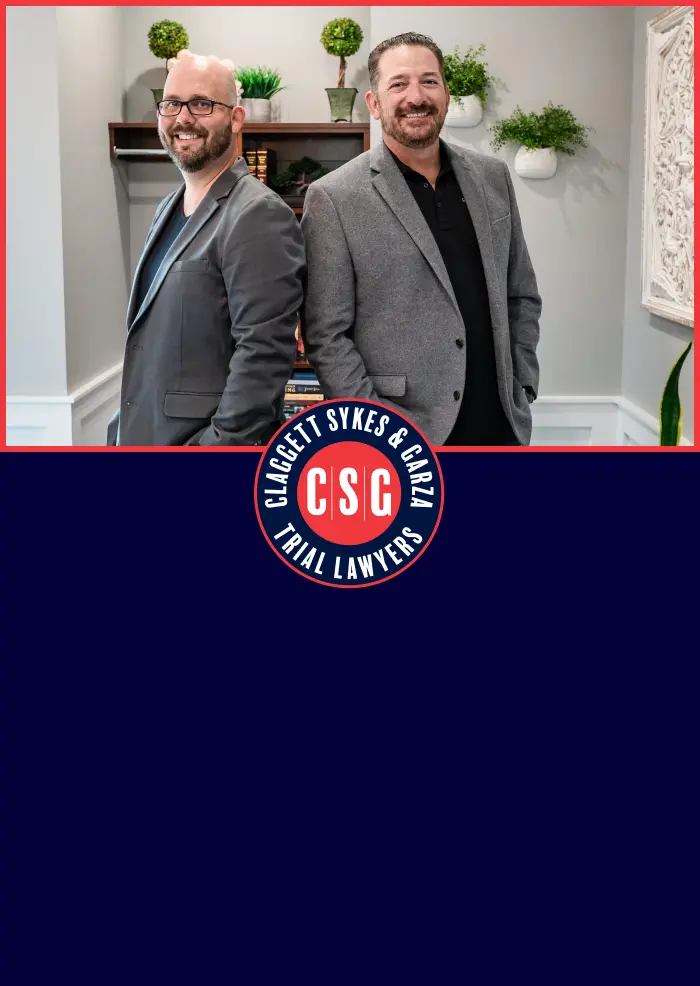
Experienced Personal Injury Lawyers Ready to Assist You.
When Your Own Insurance Covers You
Your UM and UIM coverage applies regardless of fault in some situations. If an uninsured driver hits you while driving your own vehicle, your coverage applies. If you’re a passenger in someone else’s vehicle, you may have coverage. Coverage may come through that vehicle’s policy or your own policy. If an uninsured driver hits you while walking or biking, your UM coverage may still apply. Understanding what your policy covers matters. Know how your insurance company interprets those terms. Our Farmington car accident lawyers can review your policy and explain your coverage options.
How Uninsured & Underinsured Motorist Claims Work
Filing a UM or UIM claim involves several steps. First, report the accident to your insurance company as soon as possible. Provide detailed information about the accident, your injuries, and the other driver’s insurance status. Your insurance company will assign a claims adjuster to investigate. The adjuster will review police reports, medical records, witness statements, and repair estimates.
Next, document your damages. Gather medical bills, prescription receipts, wage loss statements from your employer, and records of any ongoing treatment. Keep a journal of your pain, limitations, and how the injury affects your daily life. This documentation supports your claim for pain and suffering damages. Pain and suffering damages often represent the largest portion of your recovery.
Your insurance company will make an initial settlement offer. This offer is often lower than what your claim is worth. You can negotiate with the adjuster. Provide additional evidence to support a higher settlement. Many claims settle at this stage without going to court. However, if your insurance company refuses to offer fair compensation, litigation becomes necessary. Our trial lawyers are prepared to take your case to court if needed.
Negotiating With Your Insurance Company
Insurance companies use tactics to minimize payouts. Adjusters may downplay your injuries. They may challenge your medical treatment as unnecessary. Some insurers try to place partial blame on you. Others delay claim processing or request excessive documentation. Understanding these tactics helps you respond effectively.
When negotiating, stick to the facts. Present medical evidence showing the extent of your injuries. Provide opinions from qualified professionals if your injuries are complex. Document all communications with your insurance company in writing. If the adjuster makes unreasonable demands or refuses to negotiate in good faith, it’s time to involve an attorney. Claggett, Sykes & Garza Trial Lawyers handles negotiations with insurance companies. We file a lawsuit if they won’t offer fair settlement. Our Farmington personal injury attorneys have successfully negotiated thousands of claims.
Common Challenges in UM/UIM Cases
Insurance companies often deny or undervalue uninsured motorist claims. Adjusters may question whether you carry UM coverage. Some insurers claim the policy does not cover your situation. Others argue that your damages exceed the evidence. The company may also dispute whether the other driver lacked insurance. In some cases, adjusters blame you for the accident. Finally, insurers may resist paying full compensation.
Coverage limit disputes also arise. If you have multiple policies or vehicles, questions emerge about which coverage applies. Questions arise about whether you can stack limits. Connecticut law permits stacking in most situations. Insurance companies sometimes argue otherwise. They may also dispute the value of your claim. They offer far less than your injuries warrant.
Claggett, Sykes & Garza Trial Lawyers handles these challenges by investigating thoroughly. Our team gathers testimony from qualified experts when needed. During negotiations, we stand firm. We understand Connecticut uninsured motorist law. That knowledge helps us answer insurance company arguments. If your claim goes to trial, we prepare to present your case to a jury.
Damages You Can Recover
Uninsured motorist claims cover several types of damages. Medical expenses include emergency room visits, hospital stays, surgery, physical therapy, medications, and ongoing treatment. If your injury requires future medical care, you can recover the cost of that care as well. Medical expenses are a critical component of your claim.
Lost wages compensate you for income you lost while recovering from your injury. If your injury prevents you from returning to your previous job, you can recover lost earning capacity. This is the difference between what you earned before and what you can earn now. This applies whether you’re unable to work at all or can only work part-time. Lost wages and lost earning capacity can significantly increase your recovery.
Pain and suffering damages compensate you for physical pain, emotional distress, anxiety, depression, and reduced quality of life. These damages require careful calculation. They often represent the largest portion of a settlement or verdict. The severity of your injury, length of recovery, and impact on your daily life all factor into pain and suffering damages.
You can also recover property damage to your vehicle. This is often handled separately through collision coverage. In rare cases involving gross negligence or intentional conduct, punitive damages may apply. These are uncommon in uninsured motorist cases.
Connecticut Law on Uninsured & Underinsured Motorists
Connecticut’s modified comparative negligence rule affects uninsured motorist claims. Under this rule, you can recover damages even if you’re partially at fault for the accident. You must not be more than 50% at fault. Your recovery is reduced by your percentage of fault. For example, if you’re 20% at fault and your damages total $100,000, you recover $80,000. Learn more about Connecticut’s comparative negligence law.
Connecticut General Statutes Section 38a-336 requires all auto insurance policies to include uninsured motorist coverage. The minimum coverage is $25,000 per person and $50,000 per accident. Many drivers carry higher limits. Underinsured motorist coverage is also required, with the same minimum limits.
Connecticut courts have recognized the importance of uninsured motorist coverage. In several cases, courts have ruled that insurance companies must interpret UM and UIM coverage broadly. This protects policyholders. Courts have also held that insurance companies cannot deny claims based on technical policy language. Doing so would defeat the purpose of the coverage.
Connecticut law also addresses stacking of coverage limits. You can combine UM coverage from multiple vehicles you own. You can combine coverage available through household members’ policies. This allows you to reach higher limits when your damages exceed a single policy’s limits. Insurance companies sometimes resist stacking. Connecticut law generally permits it. Our Connecticut car accident lawyers can help you maximize your coverage through stacking.
Frequently Asked Questions
What if the at-fault driver is uninsured?
Your uninsured motorist coverage applies. Report the accident to your insurance company and file a UM claim. Your insurance company will investigate whether the other driver was truly uninsured. If they confirm the driver had no insurance, your claim proceeds. You don’t need to pursue the uninsured driver directly. Your insurance company handles the claim. Our Farmington car accident attorneys can guide you through this process.
How much is my uninsured motorist claim worth?
The value depends on your injuries, medical expenses, lost wages, and pain and suffering. Minor injuries with quick recovery might be worth $5,000 to $25,000. Moderate injuries requiring ongoing treatment might be worth $25,000 to $100,000. Serious injuries causing permanent disability can be worth significantly more. An attorney can evaluate your specific situation and estimate your claim’s value.
Can I stack uninsured motorist coverage?
Yes, Connecticut law generally permits stacking. If you own multiple vehicles, you can combine their UM coverage. You can also stack coverage from household members’ policies in some situations. However, your insurance policy’s specific language matters. Review your policy or ask an attorney about your stacking options.
What’s the difference between UM and UIM coverage?
Uninsured motorist coverage applies when the at-fault driver has no insurance. Underinsured motorist coverage applies when the at-fault driver has insurance but insufficient limits. Both cover your medical expenses, lost wages, and pain and suffering. The main difference is the trigger. It depends on whether the other driver is completely uninsured or just underinsured.
How long do I have to file an uninsured motorist claim?
Connecticut law generally requires you to file a claim within three years of the accident. However, don’t wait. Report the accident to your insurance company immediately. File your claim as soon as possible. Delays can complicate investigations and weaken your claim. Insurance companies may also impose shorter deadlines in their policies.
Will my insurance rates increase if I file a UM claim?
Filing a UM claim typically doesn’t increase your rates because you’re not at fault. Your insurance company is covering damages caused by someone else’s negligence. However, review your policy or contact your agent to confirm. Some policies may have different rules. Rates can vary by insurance company.
What if I’m partially at fault for the accident?
Connecticut’s modified comparative negligence rule allows you to recover even if you’re partially at fault. You must not be more than 50% at fault. Your recovery is reduced by your percentage of fault. For example, if you’re 25% at fault and your damages are $100,000, you recover $75,000. Your insurance company will investigate fault. They may argue you bear some responsibility.
Do I need an attorney for an uninsured motorist claim?
You don’t legally need an attorney. However, having one can improve your outcome. Insurance companies often undervalue claims. They deny claims based on technical arguments. An attorney knows how to respond to these tactics. We gather evidence and negotiate effectively. If your claim goes to trial, an attorney is important. Claggett, Sykes & Garza Trial Lawyers handles uninsured motorist claims on a contingency basis. You pay nothing unless we recover compensation for you.
Contact Claggett, Sykes & Garza Trial Lawyers for Your Free Consultation
If you’ve been hit by an uninsured or underinsured driver in Farmington, don’t handle the claims process alone. Claggett, Sykes & Garza Trial Lawyers offers a free consultation to discuss your case. We explain your options. Our attorneys have recovered millions for injured clients. We pursue fair compensation for your injuries.
Call 860-471-8333 today to schedule your free consultation. We handle uninsured motorist claims on a contingency fee basis. You pay vnothing unless we recover money for you. We’re located in Farmington and serve clients throughout Connecticut. Contact us online to let us help you pursue the compensation you deserve.