When your loved one enters a nursing home, you expect quality care and respect. Unfortunately, nursing home abuse happens more often than many families realize. If you suspect your loved one is experiencing abuse or neglect in a Farmington nursing home, you may want a lawyer who understands both the medical and legal aspects of these cases. Claggett, Sykes & Garza Trial Lawyers represents victims of nursing home abuse and their families, working to pursue compensation for injuries, emotional distress, and financial losses.
Why Choose Claggett, Sykes & Garza Trial Lawyers for Your Nursing Home Abuse Case
Claggett, Sykes & Garza Trial Lawyers describes a practice focused on serious injury cases and trial work in Connecticut. To stay compliant and accurate, it is better not to state a fixed number of attorneys or specific “millions of dollars” recovered unless those figures are clearly and currently confirmed in the firm’s own materials. Instead, it is accurate to say that the firm highlights substantial verdicts and settlements in catastrophic injury cases and presents itself as a trial-focused practice.
The reference to a $100 million jury verdict should be framed as a specific past case result rather than proof of future performance. A more compliant version is that the firm reports record-setting verdicts in Connecticut injury litigation and that past results depend on the facts of those cases and do not predict future outcomes.
Statements about medical malpractice experience should also be softened. A safer version is that the firm handles medical malpractice and other serious injury matters in Connecticut and is familiar with investigating healthcare-related claims.
The contingency-fee description should avoid absolute language unless clearly qualified. The firm’s site states that it has a “No Win, No Fee Payment Policy,” that clients do not pay upfront, that the firm is paid a percentage of any recovery, and that there is no charge to review a case.
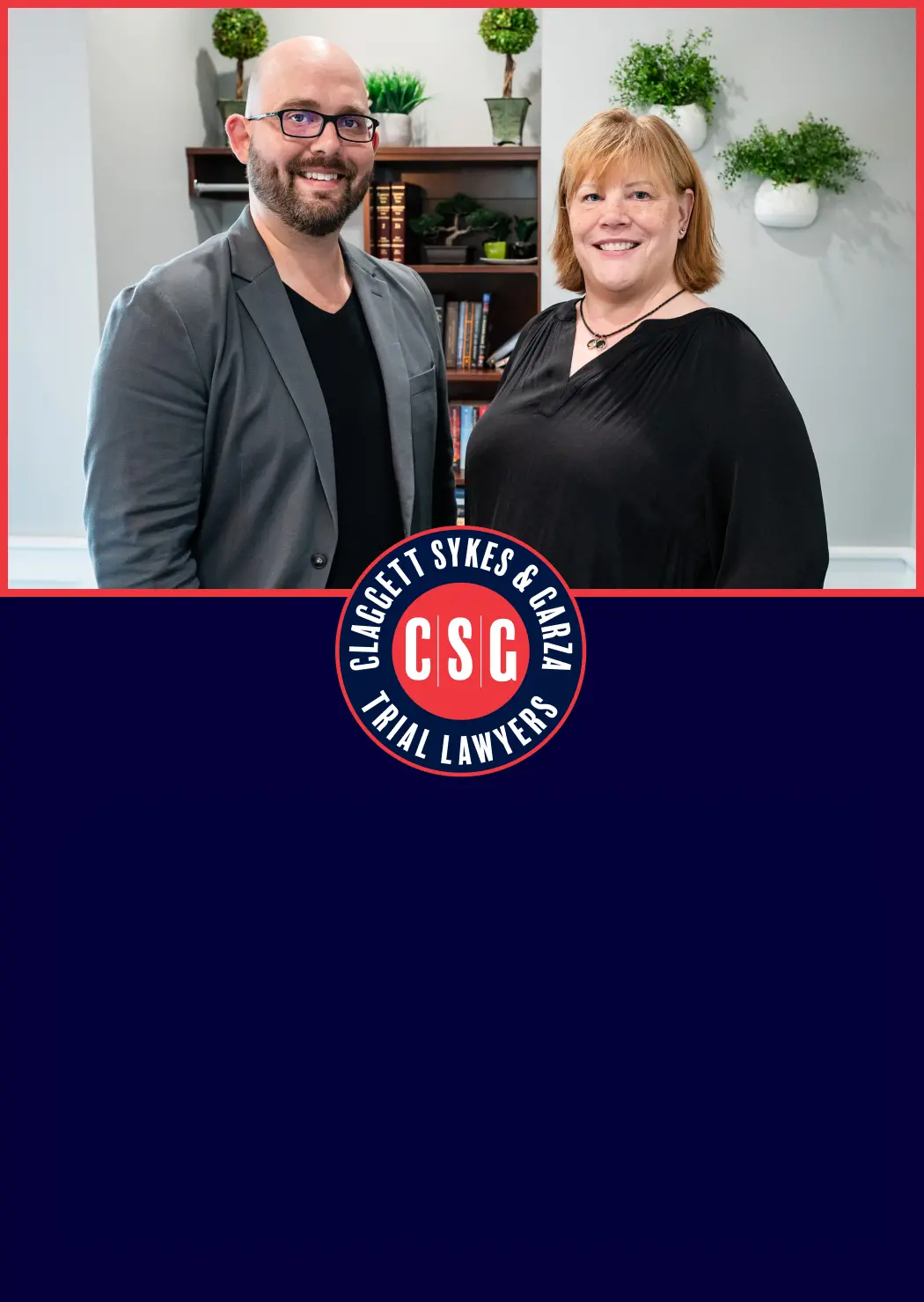
Get the Compensation You Deserve. Our Experienced Lawyers Can Help.
Common Types of Nursing Home Abuse in Farmington
Nursing home abuse takes many forms. Understanding the different categories can help families recognize concerning patterns.
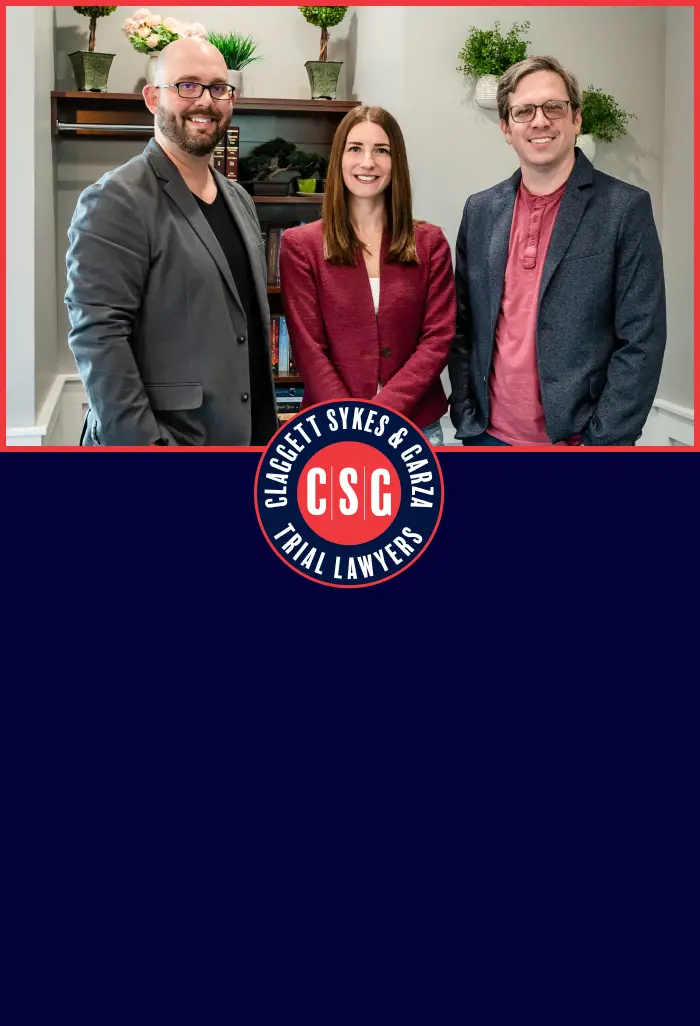
Let Us Fight for Your Rights and Maximize Your Compensation.
Physical Abuse
Physical abuse occurs when staff or others use force against residents. This can include hitting, pushing, rough handling, or improper use of restraints. Examples include:
- Hitting or slapping residents
- Pushing or shoving during care
- Applying restraints too tightly or for non-medical reasons
- Rough handling during bathing or toileting
- Using unnecessary physical force during care
Experienced Personal Injury Lawyers Ready to Assist You.
Neglect and Inadequate Care
Neglect occurs when staff fail to provide necessary care. This is one of the more common issues in long-term care facilities. Neglect can include:
- Failing to provide adequate food, water, or nutrition
- Ignoring hygiene needs, contributing to infections or pressure ulcers
- Missing or delaying needed medical care
- Leaving residents in soiled clothing or bedding for extended periods
- Failing to administer medications as ordered
- Ignoring call lights or requests for assistance
Emotional and Psychological Abuse
Emotional abuse harms a resident’s mental well-being and dignity. Staff or others may use verbal harassment, intimidation, or isolation. Examples include:
- Yelling at or verbally insulting residents
- Threatening punishment or loss of privileges
- Unreasonably isolating residents from family or activities
- Mocking, ridiculing, or belittling residents
- Ignoring residents or treating them with contempt
Financial Exploitation
Financial abuse occurs when someone misuses a resident’s money or property. This can include:
- Stealing cash or personal belongings
- Forging signatures on checks or documents
- Pressuring residents to sign over assets or change beneficiary designations
- Charging unauthorized fees
- Misusing a power of attorney or access to accounts
Warning Signs Your Loved One May Be Experiencing Abuse
Recognizing concerns early can help reduce the risk of further harm. When visiting or speaking with your loved one, watch for physical, behavioral, and documentation-related warning signs.
Physical Indicators
Physical signs can include unexplained injuries or evidence of poor care, such as:
- Bruises, welts, or injuries that staff cannot satisfactorily explain
- Fractures, sprains, or repeated falls
- Pressure ulcers (bedsores) or skin breakdown
- Signs of dehydration or malnutrition
- Poor personal hygiene despite facility care
- Torn, dirty, or inappropriate clothing
- Untreated or worsening medical issues
Behavioral Changes
Abuse and neglect often manifest through changes in mood or behavior, for example:
- New or increased withdrawal, anxiety, or depression
- Fearful reactions when particular staff members are present
- Unexplained crying or agitation
- Loss of interest in activities previously enjoyed
- Reluctance to talk when staff are nearby
- Expressions of fear about being left alone or returning to their room
Documentation Red Flags
Facility and medical records can also reveal problems, such as:
- Missing, incomplete, or inconsistent medical notes
- Gaps in documentation of bathing, repositioning, or other routine care
- Inconsistent explanations for injuries from different staff members
- Lack of documentation for medications or treatments that should be recorded
- Sudden, unexplained changes in condition or in medication regimens
How Claggett, Sykes & Garza Trial Lawyers Helps Nursing Home Abuse Victims
When you contact Claggett, Sykes & Garza Trial Lawyers about suspected nursing home abuse, the firm can take steps to investigate and evaluate potential claims.
The process often begins with a detailed review of medical records, care plans, and facility documentation to identify medication issues, falls, pressure injuries, and other events that may suggest substandard care. Professionals familiar with long-term care and medical negligence can help assess whether the facility’s conduct appears to fall below accepted standards.
Evidence may be gathered from multiple sources, including interviews with the resident, family members, and current or former staff; review of policies and staffing levels; and, where appropriate, consultation with medical or nursing experts who can testify about standards of care and causation. The facility’s regulatory history and prior complaints can also be relevant when available.
Damages analysis generally includes medical expenses related to injuries from abuse or neglect, pain and suffering, emotional distress, and, in severe cases, losses associated with a wrongful death, such as funeral costs and loss of companionship. Throughout the matter, the firm typically handles communications with the facility, insurers, and opposing counsel so that families can focus on protecting their loved one.
Connecticut Nursing Home Abuse Laws and Your Rights
Connecticut law provides protections for residents of nursing homes and other long-term care facilities and allows civil actions for abuse and neglect. To keep this section compliant, any specific statute numbers and reporting deadlines should be verified before publication if they are added back in.
A compliant general version is:
- Connecticut law allows older adults and their representatives to pursue civil remedies when they have been harmed by abuse, neglect, exploitation, or abandonment in certain care settings.
- Facilities have legal duties to report suspected abuse to appropriate state authorities, cooperate with investigations, and take steps to protect residents once concerns are raised.
- Residents have rights to quality care, dignity, information about their medical treatment, the ability to voice complaints without retaliation, and to seek legal counsel.
- Regarding time limits, it is safer to say:
- Many Connecticut personal injury claims are subject to a two-year statute of limitations, but the exact deadline in a nursing home abuse case can depend on the facts and the type of claim.
- Because limitation periods are technical and can differ depending on the claim, anyone who suspects abuse or neglect should speak with an attorney promptly to avoid missing important deadlines.
Available remedies may include compensation for medical costs, pain and suffering, emotional distress, and, in wrongful death cases, funeral expenses and loss of companionship. Punitive damages may be available in limited circumstances involving particularly serious misconduct, subject to Connecticut law.
Frequently Asked Questions About Nursing Home Abuse Claims
What is considered nursing home abuse in Connecticut?
Nursing home abuse can include physical harm, sexual abuse, emotional or psychological abuse, neglect, and financial exploitation. Any of these patterns, if supported by evidence, may form the basis for a civil claim. Understanding these categories can help you recognize potential issues and take action to protect your loved one.
How long do I have to file a nursing home abuse claim in Farmington?
Connecticut statutes of limitations set deadlines for filing civil cases. Many injury claims have a two-year deadline, with important exceptions and nuances. Because the precise deadline can vary depending on whether the case involves negligence, medical malpractice, wrongful death, or statutory elder abuse, it is important to consult an attorney as soon as you suspect a problem rather than relying on a general rule of thumb.
What damages can I recover in a nursing home abuse case?
Potential damages can include medical expenses for treating injuries linked to abuse or neglect, pain and suffering, emotional distress, and, in some cases, loss of income for family members who needed to provide additional care. In wrongful death matters, families may seek funeral expenses and damages related to loss of companionship, depending on the specific claim. In cases involving particularly egregious conduct, punitive damages may be available under Connecticut law, subject to statutory limits and proof requirements.
Do I need to report the abuse to authorities before hiring a lawyer?
Suspected abuse or neglect should be reported to the appropriate state agency and, in urgent or criminal situations, to local law enforcement. You do not need to wait for an investigation to conclude before speaking with a lawyer. In many situations, contacting an attorney early can help protect evidence and guide you through the reporting process.
How much does it cost to hire Claggett, Sykes & Garza Trial Lawyers?
Claggett, Sykes & Garza Trial Lawyers states that it uses a contingency-fee model and a no-win, no-fee payment policy, meaning clients do not pay upfront and the firm is paid a percentage of any recovery. If there is no recovery, the site states that clients owe nothing for attorney’s fees, and there is no charge for the firm to review a case.
What evidence do I need to prove nursing home abuse?
Useful evidence may include medical records, photographs of injuries or unsafe conditions, witness statements from family, other residents, or staff, facility policies and incident reports, and your own detailed notes about changes in your loved one’s condition or behavior. You do not need to gather everything before calling a lawyer; part of the attorney’s role is to help identify, preserve, and obtain the records needed to evaluate and support the case.
How long does a nursing home abuse case take?
The length of a nursing home abuse case varies depending on the complexity of the injuries, the number of defendants, the volume of records, and whether the case resolves through settlement or proceeds to trial. Some matters can be resolved within months after investigation and negotiation; others may take a year or more if litigation is necessary. Your attorney can provide a more specific timeline based on the facts of your case.
Contact Claggett, Sykes & Garza Trial Lawyers for Your Free Consultation
If you suspect your loved one is experiencing abuse or neglect in a Farmington nursing home, do not wait to seek guidance. You can contact Claggett, Sykes & Garza Trial Lawyers for a free consultation to review your concerns, ask questions, and discuss possible next steps.
Call 860-471-8333 to speak with someone about scheduling a consultation. The firm’s website states that there is no charge to review your case and that it uses a no-win, no-fee payment policy. Contact the firm today to discuss your nursing home abuse claim.